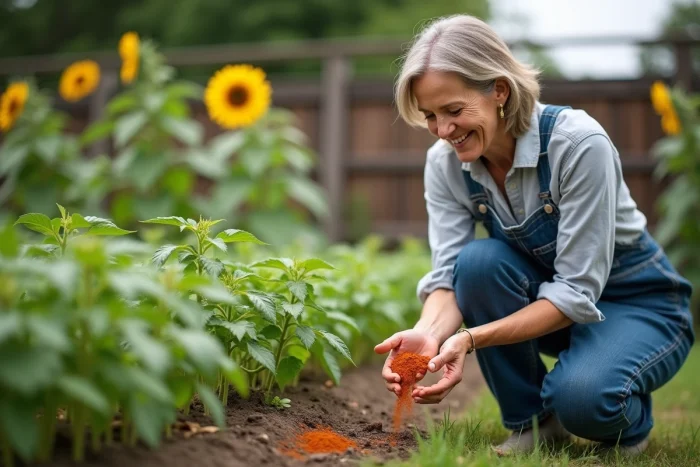
A red splash in a vegetable garden, and suddenly, the history of gardening is rewritten. Paprika, better known as a culinary spice, is among the natural substances used in some gardens to improve plant health. The use of this red powder, rich in antioxidants and bioactive compounds, is not rooted in ancient agricultural tradition, but in tested practices to limit fungal diseases and the presence of pests.
Trials conducted over the past decade show that the measured addition of paprika to the soil or as a spray sometimes helps strengthen the resistance of certain plant species. This approach, neither universal nor systematic, is part of a search for simple and accessible alternatives to conventional chemical treatments.
Why paprika is increasingly appealing to nature-conscious gardeners
The garden is no longer what it used to be. Since the implementation of the Labbé law, which limits the use of chemical phytosanitary products, the quest for natural solutions has accelerated. Paprika, derived from Capsicum annuum, a variety of bell pepper or sweet pepper, attracts attention for its versatility. Grown in Hungary on rich, well-exposed land, it benefits from a continental climate perfect for its maturation.
This new enthusiasm is easily explained: gardeners want to preserve the fragile balance of soil life and beneficial insects. Paprika is fully integrated into the biocontrol movement. Counted among the basic substances approved for phytosanitary use, it complements the action of PNPP and biostimulants to enhance plant vitality. The approach is never automatic: each garden, each climate, each plant species requires fine adaptation.
The range of uses is intriguing. Some incorporate it into the soil to enrich the substrate with nutrients, while others use it to better arm their plants against stress or repel pests. The benefits of paprika for plants have become a topic of discussion on forums and among vegetable garden neighbors. Everyone shares their tips, dosages, and experiences. This exchange of ideas is part of a common desire: to garden differently, without sacrificing the vigor or health of crops.
What benefits can paprika really bring to the health of your plants?
Paprika, derived from Capsicum annuum, is not an ordinary spice: it concentrates vitamins, minerals, and powerful antioxidants. These compounds, once assimilated, act in synergy to boost plant growth and enhance their ability to adapt to uncertainties.
In small doses, paprika enriches the soil with nutrients, promotes root system expansion, and influences overall vitality: denser foliage, more abundant flowering, and increased resistance to stress. Used as a natural fertilizer, it not only nourishes but also protects.
Here are the most common uses gardeners remember:
- Thanks to its anti-inflammatory properties, paprika helps restore plant tissues weakened by shocks or diseases.
- Its antioxidants limit oxidative stress, which hinders growth and flowering.
- Its repellent effect against certain pests offers an alternative to chemical products, without harming the ecosystem.
Crops subjected to extreme conditions, heat waves, drought, and insect attacks particularly appreciate this contribution. Paprika, at the crossroads of biocontrol and fertilization, finds its place both in the vegetable garden and indoors. It fits into a holistic vision of gardening, attentive to the health of living organisms.

How to use: integrating paprika into your sustainable gardening practices
Adopting paprika in your garden means choosing a different path to enrich the soil and care for your crops. Derived from Capsicum annuum, it is obtained after drying and then grinding the ripe fruits, resulting in this fine powder that should be handled with care.
In practice, the most common use involves preparing a nutrient solution: one teaspoon of paprika mixed with one liter of water. This mixture, well homogenized, can be used for targeted watering at the base or for spraying on the foliage (always in the shade to avoid burns).
A few simple precautions allow you to fully benefit from its advantages:
- Adopt a reasonable frequency: one application every two to three weeks is more than sufficient.
- Observe your plants’ reactions: not all appreciate paprika in the same way, adjust the dose if necessary.
- Avoid combining with other fertilizers at the same time to prevent overloading your soil.
Store paprika away from moisture and heat to keep its properties intact. Too much zeal can be harmful: burned leaves indicate an excess. In case of doubt, test on a single plant before generalizing. This approach, respectful of the environment and attentive to regulations, supports the transition to more responsible and inventive gardening.
Paprika does not promise miracles, but it opens new avenues. Beneath its vibrant color, it questions our habits and invites us to reinvent our daily actions in the garden. Who would have thought that a simple condiment could disrupt the established order of the vegetable garden?