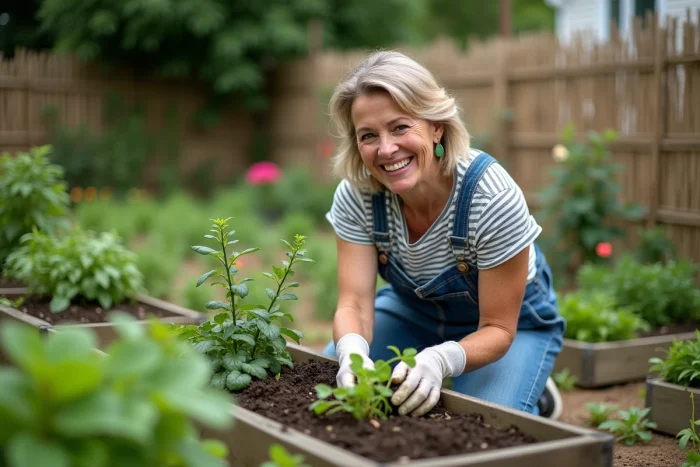
Traditional maintenance calendars often overlook the realities on the ground. Microclimates, soil specifics: so many neglected details that end up complicating the gardener’s life. Some fragile plants may seem weak, while they thrive where others, deemed robust, struggle to establish themselves. Location, the way the land is managed, everything matters.
Adopting multifunctional tools reduces unnecessary trips and limits your environmental footprint. As for crop rotation, it doesn’t only apply to the vegetable garden: applying this principle to the entire garden helps prevent diseases and keeps the space vibrant without overloading work.
How to envision a garden that reflects you, even with limited space?
The constraint of space never stifles imagination. Whether on a balcony, a terrace, or in a courtyard, every nook deserves consideration. To design a space in your image, you must first observe the light, humidity, and wind patterns. This diagnosis guides your plant choices: sturdy perennials, compact shrubs, climbing plants that reach upwards without encroaching on the ground. Structuring the space with flower beds also promotes biodiversity and adds rhythm to the garden.
Furniture plays a decisive role: folding tables, discreet benches, hanging pots… Focus on mobility and lightness. Favor natural materials like wood or stone for harmony with the plants. Every height, every angle becomes an opportunity: herbs, dwarf trees, and seasonal flowers mark the year and color the space, even in winter.
Here’s what this approach brings to daily life:
- Optimal use of every square meter
- Enhanced volumes for a sense of space
- Reduced maintenance thanks to thoughtful choices
To go further, discover the advice from Conseil Jardin to help select the right plants, organize different areas, and give character to any type of garden, anywhere in France.
Practical ideas for smart and hassle-free landscaping
An effective layout starts with precise actions tailored to the terrain. Focusing on perennial plants means creating a lasting decor, limiting interventions, and providing a framework for the whole. Depending on the exposure, you change the palette: in dry, sunny corners, rosemary settles in easily, scents the air, and structures the beds. In the shade, hostas and ferns offer foliage variations while remaining understated.
Garden furniture transforms the ambiance. Folding tables, stackable chairs, benches integrated into a border: every detail counts to free up space and simplify maintenance. Opt for sturdy materials that are easy to clean and improve with time. Remember to clear pathways, facilitate access to water or compost: everything becomes simpler in daily life.
Some tips for a harmonious garden:
- Select plants suited to your climate: fewer diseases, less watering.
- Add potted flowers to change the decor throughout the year.
- Use natural mulches: they protect the soil, reduce weeding, and nourish the earth.
These tips apply equally to an urban balcony as to a large plot. Test, observe, adjust: your garden evolves at your pace, without unnecessary constraints.
Maintaining your garden year-round: simple actions and seasonal tips
Caring for your garden doesn’t require sophisticated techniques, but attention and regular presence. Each season calls for its actions. In spring, aerate the soil, add mature compost, and monitor the resumption of plantings. In summer, watering should be measured, mulching protects from the sun, and deadheading flowers encourages blooming. When autumn arrives, collecting leaves, enriching the soil, and preparing the beds for winter are actions to prioritize. During the cold season, limit interventions: prune outside of frost periods, protect young plants from the cold.
- Favor natural solutions to keep the soil alive: mulch, compost, green fertilizers.
- Avoid overly severe pruning; prefer gentle cuts that respect plant development.
- Adapt your actions to the weather: water sparingly but deeply, early in the morning or in the evening.
Your way of maintaining the garden evolves over time. Stay attentive, adjust your practices based on what you observe, anticipate each plant’s needs. A well-maintained space is a balance between measured interventions and respect for nature’s rhythm. Vary the species, stagger the bloom times to enjoy colorful beds all year round. Patience pays off: each season, the garden gives back what you offer it.