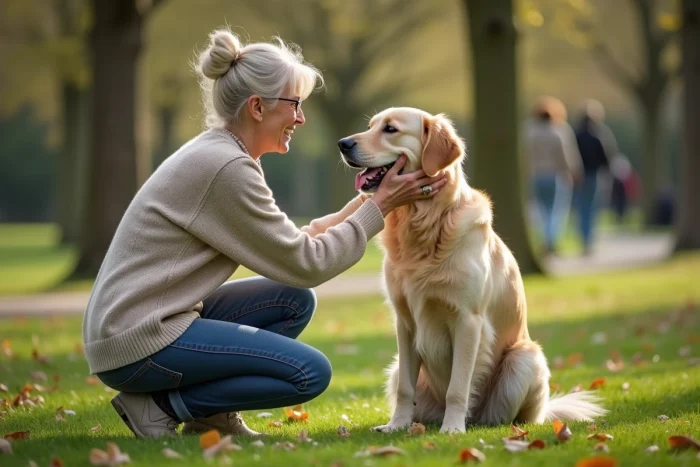
An animal appearing in a hospital elevator no longer raises eyebrows. A sign of a silent yet real shift: animal mediation is expanding, supported by official backing from the High Authority of Health since 2016. While researchers dissect the implications of this alliance, those who experience it do not wait. They move forward, weaving a new dialogue between humans and animals every day.
Behind these experiences, a shared perspective emerges. Whether they are practitioners, families, or vulnerable individuals, all report the same phenomenon: animal contact is not a mere interlude; it is transformative. An animal by one’s side is, for some, a clear return to presence, whether voluntary or reconstructed. A smile that appears on a mute child, a breath that relaxes in an overwhelmed adult. Every day, discreetly, this companionship makes a difference.
Why the human-animal relationship transforms our daily well-being
The company of an animal changes the game as soon as we consider the effects reported by studies from the Human Animal Bond Research Institute (Habri) or surveys from Zoetis. The numbers are clear: human-animal cohabitation acts as a barrier against stress, accelerates the exit from isolation, and rekindles the joy of interaction. This is not just an impression: heart rates slow down, the atmosphere calms, and conversation flows again.
Tools like Habscore dissect these connections, measuring the delicate balance between what humans receive and what animals share. It is a constant back-and-forth of benefits, recognized even by veterinarians who now take this emotional aspect into account when supporting families.
Ordinary scenes, concrete results: a cat settles near an anxious teenager, a dog accompanies an adult adrift after a shock, a caress placed on fur where all discourse fails. These sensitive moments are sometimes enough to open unsuspected inner spaces, where mere animal presence acts as a catalyst and restores a thread that was sometimes threatening to break. On this subject, those who want to learn more about Syntonie Animale can explore, in detail, a unique way of experiencing this harmony between species.
Animal harmonization: how mediation and zootherapy create a beneficial dialogue
From schools to medical units, animal mediation is becoming entrenched in practices. Iconic figures like Hubert Montagner emphasize: including the animal is not about subjugating it. It is about learning to interpret its signals and accepting a co-evolution of postures, where each exchange builds an unexpected bridge.
Results are emerging everywhere. Specialized dogs elicit, among autistic children, gestures of communication once considered unthinkable. The horse Peyo, now a symbol of gentleness in care homes, calms without words, simply through its presence. The secret? A gradual adjustment, where each pair invents its own way of being together, not seeking performance but sincerity.
However, the major approaches do not all converge. The OREZA school invites careful observation of the animal’s non-verbal language. The APACHE movement focuses on constant adaptability, with no protocol set in advance. This choice of attentive listening makes a difference: here, nothing is forced; a dynamic is supported that grows when trust is established on both sides.
In the context of this support, here is what professionals and practitioners most often highlight:
- A noticeable bodily calming: tension releases, breathing regains a natural rhythm, palpable relaxation.
- A more open atmosphere in groups: spontaneous exchanges, a desire to reach out to others, gradual withdrawal from solitude.
- A psychological strengthening: return of self-confidence, strengthened emotional bonds, more fluid emotional expression.
Far from superficial effects, changes occur gradually, at the pace of the sessions: the bond is woven, deepens, and invites a lasting and respectful sharing.
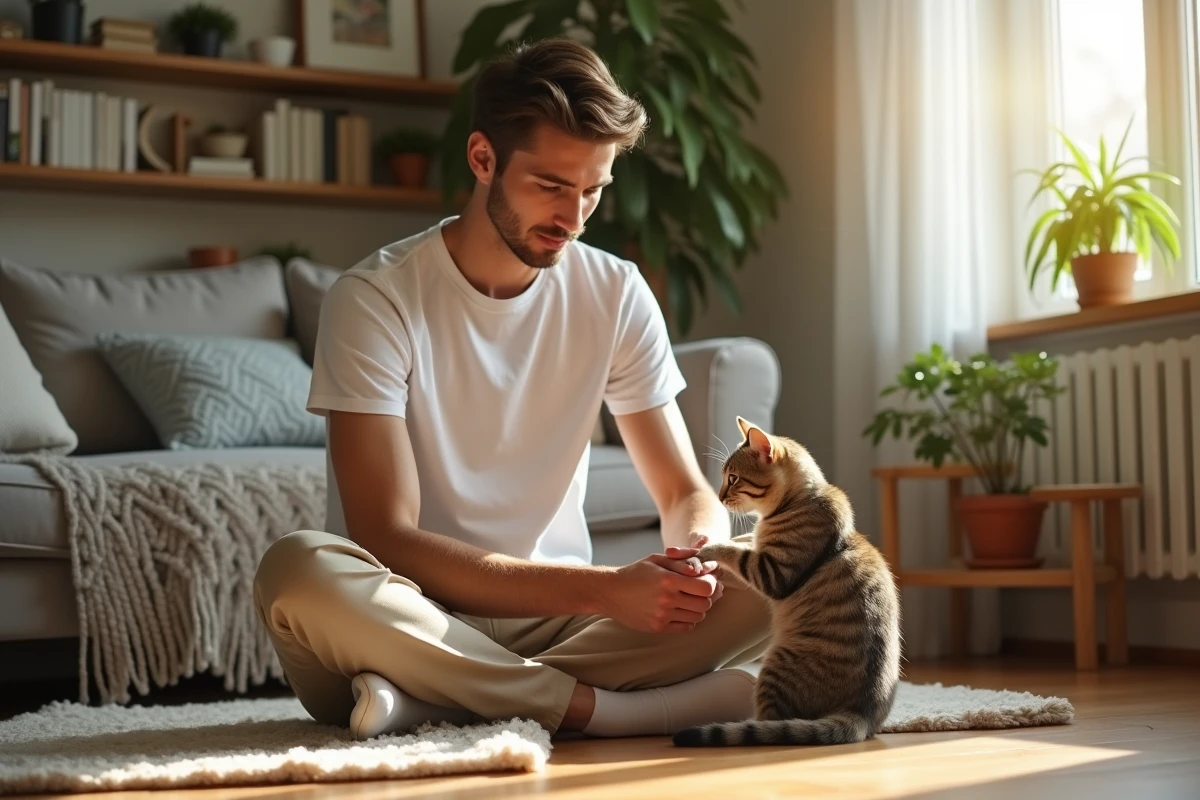
Discover inspiring practices to enrich the connection with animals
Forming a deep bond with an animal is neither automatic nor reserved for an elite. It begins with attentive presence, the acceptance of slowing down, and sincere listening. By adopting this posture, anyone can experience tangible changes in how they coexist and communicate with the animal.
More and more families are trying, sometimes guided by veterinarians, complementary tools: intuitive communication, energy healing, patient observation. Field feedback is converging: professionals like Patricia Faure, Laurence Paoli, or Marine Grandgeorge regularly testify that the human-animal bond benefits from being nourished by varied methods, often very accessible.
To strengthen this bond daily, several avenues can be explored by everyone:
- Intuitive communication: taking the time to observe the animal, adjusting one’s attitude based on its reactions, and responding where words are insufficient.
- Energy healing: creating a calming atmosphere at home during tense moments, recognizing subtle signals, preventing rather than enduring disagreements.
- Active observation: detecting slight changes in the animal’s behavior, questioning what might cause them, adjusting one’s own habits to ensure cohesion and well-being for the duo.
Through simple gestures, a lot of patience, and unwavering attention, the relationship progresses, gains in complicity, and ultimately redefines daily life. The day this alliance becomes lasting, it becomes difficult to imagine a home without this shared warmth: animal presence replaces nothing, but it complements, extends, and often re-enchants the entirety of social and emotional life.