
Preparing a family meal during the week often poses the same problem: finding a dish that everyone likes without spending an hour in the kitchen. Easy everyday recipes require neither complex techniques nor hard-to-find ingredients. They rely on a few solid basics, a well-stocked pantry, and an approach that prioritizes simplicity over performance.
Mastered Cooking: The Real Lever for Successful Everyday Dishes
Have you ever noticed that the same pasta recipe can yield either a mushy or perfect result depending on the cooking? The difference doesn’t come from the recipe itself, but from the technical gesture. Before multiplying dish ideas, it’s better to understand two or three principles that change everything.
The first concerns the heat of the pan. Placing a piece of meat or vegetables in a lukewarm pan means boiling them in their own juices. A well-heated pan sears the food and retains its flavor. To check, drop a drop of water: if it evaporates immediately, the temperature is right.
The second principle relates to cooking pasta and rice. The water must be boiling vigorously, and the volume of water should be generous. Pasta cooked in too little water sticks together, releases too much starch, and becomes mushy. Taste it a minute before the time indicated on the package: the al dente texture holds up better on the plate, especially if your children eat slowly.
The third concerns resting after cooking. A gratin taken out of the oven and cut immediately collapses. Five minutes of patience allow the structure to stabilize. This detail transforms a mundane dish into a neat one that can be served cleanly.
To find recipe ideas that adhere to these principles, cookinette.fr offers dishes designed for family life, with short preparation times and common ingredients.

Family Recipes with Vegetables and Legumes
Family meals no longer revolve solely around meat and melted cheese. Plant-based dishes are gaining ground in family kitchens, not out of ideology, but because they are often cheaper and quicker to prepare.
Chakchouka with Tomatoes and Peppers
This dish of poached eggs in a spicy tomato sauce is prepared in a single pan. Sauté a chopped onion, add sliced peppers, then crushed tomatoes. When the sauce thickens, make small wells to crack the eggs into. Cover for a few minutes. The chakchouka is ready when the whites are set and the yolks are still runny. Serve with bread for dipping.
Seasonal Vegetable Velouté
The velouté remains the most adaptable family dish. Carrots, zucchini, leeks, pumpkin: use what you have. Sweat the vegetables in a bit of butter, cover with water, let cook, then blend. A thick velouté nourishes better than a clear soup, so don’t drown your vegetables in too much liquid.
Complete Lentil Salad
Green lentils cook without prior soaking. Count about twenty minutes in unsalted water (salt toughens the skin). Drain, season while still warm with a mustard vinaigrette, add diced tomatoes, parsley, and possibly a bit of crumbled feta. This dish can be eaten warm or cold, making it ideal for evenings when not everyone eats at the same time.
Planning Weekly Meals to Cook Less Each Evening
The current trend goes beyond quick recipes. Families that really save time do not seek a different dish every night: they structure their week to cook in two or three sessions.
Batch cooking consists of preparing several bases at once, typically on Sunday or Wednesday. You cook a large quantity of rice, a batch of roasted vegetables, a homemade tomato sauce. Then, each evening, you assemble these bases differently.
Here’s an example of a distribution over three evenings from the same session:
- Monday: stir-fried rice with roasted vegetables and a fried egg, soy sauce.
- Tuesday: vegetable rice gratin, topped with tomato sauce and grated cheese, baked in the oven.
- Wednesday: wraps filled with the leftover vegetables, a bit of fresh cheese, and some salad leaves.
This approach reduces the time spent in the kitchen each evening to about fifteen minutes of assembly and reheating. It also limits food waste, as leftovers are incorporated into the planning instead of being forgotten at the back of the refrigerator.
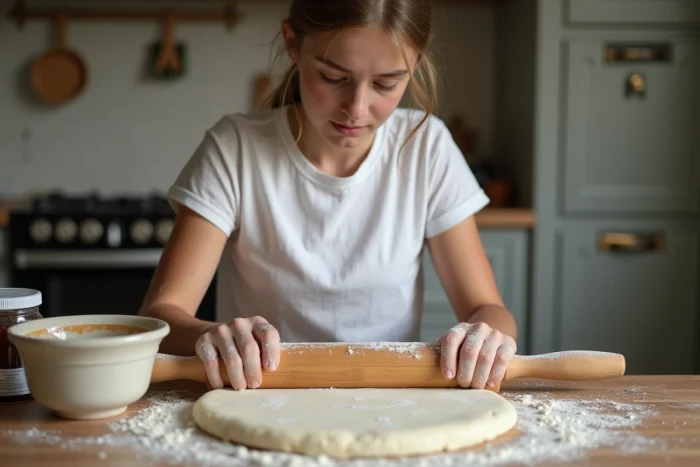
Involving Children in the Kitchen Without Slowing Down Preparation
Involving children in meal preparation is not just to keep them occupied. A child who has cut mushrooms or mixed pancake batter is more likely to taste the finished dish.
To ensure this participation doesn’t turn preparation into chaos, it’s important to define specific tasks:
- Washing vegetables and herbs under water (from three or four years old).
- Mixing ingredients in a bowl, cracking an egg, pouring measured flour (from five or six years old).
- Cutting soft vegetables with an appropriate knife, grating cheese, measuring quantities (around eight or nine years old).
Each assigned task should be able to fail without compromising the dish. If a child adds too much salt, the meal is ruined. It’s better to assign them to mix the salad rather than the final seasoning.
The recipes that work best for cooking with children are those where the assembly is visible: homemade pizzas on store-bought dough, topped toasts baked in the oven, savory crepes. The child sees the result of their action, which keeps their motivation up.
Adapting family meals doesn’t require becoming a seasoned cook. A few solid cooking principles, a stock of versatile ingredients like legumes, pasta, rice, and eggs, and even a simple weekly organization are enough to transform the chore of dinner into a smoother moment for the whole family.